Navigating China's Supply Chain Laws and Regulations
Category : |
Sub Category : Posted on 2024-10-05 22:25:23
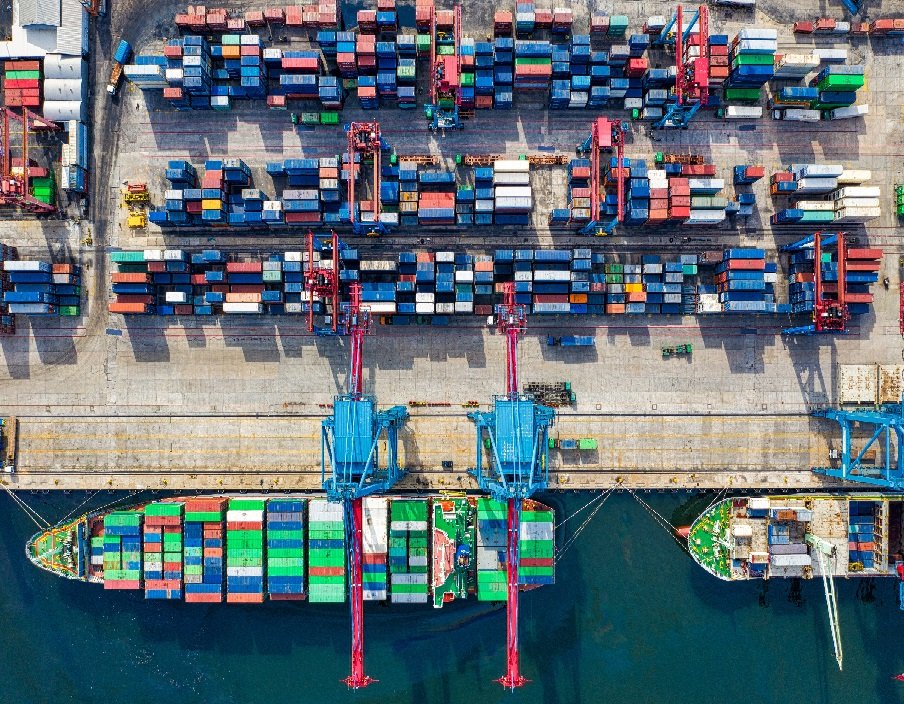
China is a global economic powerhouse, with a complex web of laws and regulations that govern various aspects of business operations, including supply chain management. As companies worldwide continue to expand their presence in the Chinese market and engage in cross-border supply chain activities, it is crucial to have a thorough understanding of the legal framework governing supply chains in China. One of the key regulations that companies operating in China need to be aware of is the Foreign Investment law (FIL). Enacted in January 2020, the FIL aims to promote and regulate foreign investment in China, including foreign-invested enterprises (FIEs) engaging in supply chain activities. Under the FIL, FIEs are subject to registration requirements, reporting obligations, and restrictions on certain types of investments. In addition to the FIL, companies must also comply with China's rules and standards for product quality, safety, and labeling. The China Compulsory Certification (CCC) system, for example, requires certain products imported into China to undergo mandatory certification to ensure compliance with Chinese standards. Failure to meet these requirements can result in delays in the supply chain, financial penalties, or even product recalls. When it comes to labor practices in the supply chain, companies operating in China must adhere to the country's labor laws and regulations. This includes compliance with regulations on working hours, wages, occupational health and safety, and child labor. Companies must also ensure that their suppliers and business partners in China are compliant with these labor standards to avoid reputational damage and legal risks. Moreover, environmental regulations play a significant role in shaping supply chain practices in China. The country has been actively promoting green initiatives and sustainable development, requiring companies to adhere to environmental protection laws and regulations. This includes waste management, energy conservation, and emissions reduction measures that can impact supply chain operations and sourcing decisions. To successfully navigate China's complex supply chain laws and regulations, companies operating in the country should establish robust compliance programs, conduct regular audits of their supply chain partners, and stay informed about changes in the legal landscape. Engaging legal counsel with expertise in Chinese business law can also help companies ensure compliance and mitigate legal risks associated with supply chain operations in China. In conclusion, understanding and complying with China's supply chain laws and regulations are crucial for companies looking to establish a strong presence in the Chinese market and maintain ethical and sustainable supply chain practices. By proactively addressing legal requirements and staying abreast of regulatory developments, companies can build resilient supply chains that operate in compliance with Chinese laws and contribute to long-term business success.
https://toguangzhou.com
https://2gz.org
https://china-directory.com
https://vollmacht.org


