Advocating for Ethical Supply Chains in Bangladesh
Category : |
Sub Category : Posted on 2024-10-05 22:25:23
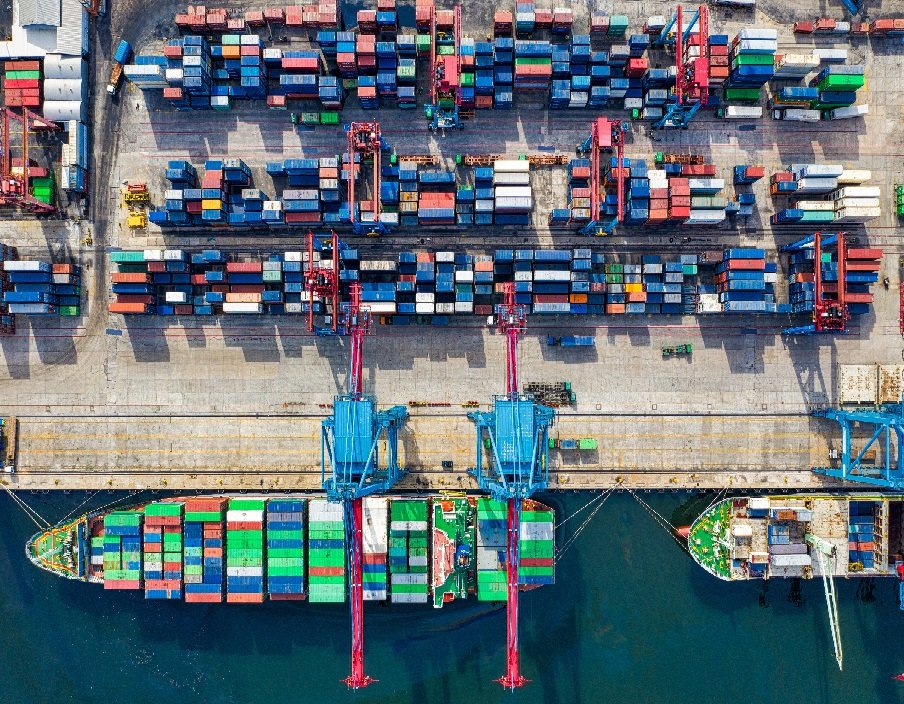
In recent years, the issue of supply chain ethics and sustainability has gained significant attention, especially in the context of developing countries like Bangladesh. With its booming garment industry and a complex network of suppliers, the country has faced numerous challenges related to worker rights, safety, and environmental impact. Advocates and organizations have been pushing for change and reforms to ensure a more ethical and transparent supply chain in Bangladesh. One of the major concerns in Bangladesh's supply chain is the working conditions of garment factory workers. Reports of low wages, long hours, lack of safety measures, and even tragic incidents like the Rana Plaza collapse in 2013 have shed light on the harsh realities faced by many workers in the industry. advocacy groups have been actively campaigning for better working conditions, fair wages, and the right to collective bargaining for these workers. Another key issue that advocacy groups are focusing on is the environmental impact of the garment industry in Bangladesh. The sector is known for its high water consumption, chemical use, and waste generation, leading to pollution of water bodies and air. Organizations are advocating for the adoption of sustainable practices, such as water recycling, reducing chemical use, and promoting eco-friendly materials to minimize the industry's impact on the environment. In addition to labor rights and environmental concerns, advocacy efforts also aim to improve transparency and accountability in Bangladesh's supply chain. Many brands and retailers outsource their production to multiple layers of suppliers, making it difficult to trace the origins of products and ensure compliance with ethical standards. Advocates are calling for more transparency, supplier audits, and collaboration throughout the supply chain to identify and address any violations or abuses. Overall, advocacy for ethical supply chains in Bangladesh plays a crucial role in promoting social and environmental sustainability in the country's garment industry. By raising awareness, mobilizing stakeholders, and pushing for policy changes, advocates are working towards creating a more responsible and ethical supply chain that respects the rights of workers, protects the environment, and ensures accountability at every stage of production.


